This article contains affiliate links. If you buy through one, we may earn a commission at no extra cost to you — see our Affiliate Disclosure for details. That relationship never changes what we write.

Direct answer
To choose a metabolism supplement wisely, focus on transparent labels, clinically studied doses, and third-party safety standards — not flashy promises. Avoid proprietary blends, fake urgency, and no-return policies. Prioritize products with real ingredients like green tea catechins, berberine, or fucoxanthin, and always check the official site for current pricing and guarantee terms.
“Choosing a metabolism supplement does not have to be a gamble.”
— Sarah Mitchell, Health & Wellness Editor
If you are over 40 and feel like your metabolism has hit a stubborn plateau, you are not imagining it. Hormonal shifts, muscle loss, and years of dieting can slow things down — and the supplement aisle knows it. With hundreds of bottles screaming “fat burner” and “metabolism booster,” it is easy to feel overwhelmed and even easier to waste money on empty promises.
This buyer’s checklist is here to cut through the noise. We will walk you through exactly what to look for in a weight loss supplement, the red flags that signal a fake or low-quality product, and how to compare formulas side by side. No hype, no miracle claims — just practical, honest guidance you can use today.
By the end, you will know how to read a label like a pro, ask the right questions, and decide whether a supplement deserves a spot in your routine. Let’s get started.
What Is a Metabolism Supplement and How Does It Work?
A metabolism supplement is a product — usually a capsule, powder, or liquid — designed to support one or more of the body’s natural energy-burning processes. These products are not magic pills; they aim to give your system a gentle nudge by influencing how your body uses carbohydrates, fats, and proteins for fuel. For women over 40, this can feel especially relevant because metabolic rate naturally declines with age, partly due to muscle loss and hormonal changes.
Most formulas work through a few common pathways. Some contain thermogenic ingredients like green tea catechins (EGCG) that may slightly increase calorie burn. Others focus on blood sugar balance (berberine, chromium), liver support (milk thistle, choline), or brown fat activation (luteolin, kudzu). The idea is not to override your biology but to support it alongside a healthy diet and movement.
It is important to understand that the word “metabolism” is broad. A supplement might target fat oxidation, appetite signaling, thyroid function (indirectly), or even gut health. That is why reading the ingredient list matters far more than the front label. If a product does not tell you exactly what is inside and at what dose, you cannot know if it is worth your money. Later, we will break down how to evaluate specific ingredients and spot the ones that have actual research behind them.
Thermogenesis vs. Nutrient Partitioning
Thermogenesis refers to the production of heat in the body, which burns calories. Ingredients like EGCG from green tea and fucoxanthin from brown seaweed are often included for this purpose. Nutrient partitioning, on the other hand, is about where your body sends the calories you eat — toward muscle, fat storage, or immediate energy. Berberine and chromium are sometimes used to support healthier blood sugar and insulin response, which can indirectly influence fat storage. A well-rounded formula may combine both approaches, but be wary of products that claim to do everything at once without explaining how.
Key Ingredients to Look For in a Metabolism Supplement
When you flip the bottle around, you want to see familiar, research-backed ingredients — not a laundry list of exotic herbs with no explanation. Based on publicly available formulas and nutritional science, here are some ingredients that have legitimate ties to metabolic support.
Green tea extract (EGCG): One of the most studied thermogenic compounds. Some clinical research suggests it may modestly increase fat oxidation, especially when combined with caffeine (though many formulas now use it without added stimulants).
Fucoxanthin: A carotenoid from brown seaweed. Preliminary studies hint it may support fat metabolism, particularly in combination with other compounds.
Berberine: A plant alkaloid often used for blood sugar support. It may help with insulin sensitivity, which can be a missing piece for women over 40.
Resveratrol: Found in grapes and berries. It is linked to antioxidant activity and may support metabolic health, though human results are mixed.
Milk thistle (silymarin): A liver-support herb. Since the liver plays a role in fat metabolism, formulas that include it are taking a whole-body approach.
Chlorogenic acid: From green coffee beans. May influence how the body handles glucose.
Chromium: A mineral that supports insulin function.
L-carnitine: Involved in transporting fatty acids into cells to be burned for energy.
You will also see ingredients like Panax ginseng, dandelion, beet root, and acai. These are generally safe for most people but have less direct evidence for fat loss. The key is not to rely on a single hero ingredient — look for a formula that combines several with explained purposes.
What About Proprietary Blends?
A proprietary blend is when a manufacturer lists ingredients but hides the individual amounts. You might see “Metabolic Blend 500 mg” with ten herbs listed underneath. This is a red flag because you cannot verify whether the effective dose of each ingredient is present — or if one cheap filler dominates. Transparent labels show exact milligrams for every active component. Always choose transparency.
Dose Matters More Than the Name
Seeing “green tea extract” on a label means nothing if it is only 50 mg. Research on EGCG often uses 300–500 mg per day. Similarly, berberine studies frequently use 500 mg taken multiple times daily. If a label does not specify the extract standardization (e.g., “standardized to 50% EGCG”), you are in the dark. A reputable company will not hide this information.
Red Flags: What to Avoid in Weight Loss Supplements
The supplement industry is loosely regulated, which means bad actors thrive. Knowing the warning signs can save you hundreds of dollars and protect your health. Here are the most common red flags.
1. Promises of rapid, guaranteed weight loss. No supplement can guarantee a specific number of pounds lost. Claims like “lose 20 pounds in 2 weeks” are scientifically impossible for a non-prescription product. Legitimate companies use language like “may support” and “results vary.”
2. No ingredient amounts. Proprietary blends hide doses. If you cannot see how much of each active ingredient is included, walk away.
3. Fake urgency and countdown timers. While limited-time offers exist, aggressive countdown clocks that reset when you refresh the page are a manipulation tactic. Real promotions do not need to trick you.
4. No return policy or a very short one. A quality product should stand behind its formula. A 30-day guarantee is the bare minimum; many reputable brands offer 60 to 180 days. If there is no refund policy at all, that is a major red flag.
5. Fake reviews on third-party sites. Be cautious of glowing testimonials on the seller’s own website that never mention a single downside. Look for reviews on independent platforms and pay attention to both positive and negative comments.
6. Unrealistic before-and-after photos. Dramatic transformations are often stock photos or results from extreme dieting, not the supplement alone. Honest marketing avoids these.
7. Ingredient names you cannot pronounce — and cannot find on PubMed. If an ingredient has no research behind it, it is likely filler. Stick to compounds that appear in scientific literature.
The “Secret Recipe” Myth
Some blogs promote a “secret blue tonic recipe” that supposedly mimics a popular supplement. This is a marketing gimmick. For example, the so-called “Blue Tonic” is just a nickname for the Ikaria Lean Belly Juice powder — there is no independent homemade formula that replicates its effects. Do not waste time mixing random ingredients; if a product interests you, buy the official one or skip it.
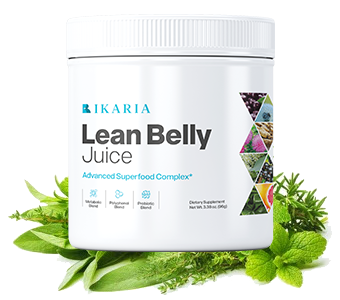
See how a real metabolism supplement compares to what's covered here.
Check current pricing and guarantee details on the official websiteThe Buyer’s Checklist: 10 Questions to Ask Before You Buy
Use this checklist every time you consider a new supplement. It will help you separate legitimate products from hype.
- Are all ingredients and their doses listed? If not, do not buy.
- Is there scientific research on the main ingredients? Search PubMed or NIH for each.
- Does the company offer a money-back guarantee? Look for at least 60 days.
- Is the product sold on the official website only, or also on marketplaces? Official-only is often a sign of quality control.
- Are there any red-flag claims of curing disease? Supplements cannot treat or cure medical conditions.
- Does the label state the manufacturing facility is FDA-registered and GMP-certified? This indicates basic quality standards.
- Is there a support email or phone number? You should be able to reach a human.
- Are there any independent reviews from real users? Look for balanced feedback.
- Is the price reasonable compared to similar products? Very cheap often means low-quality fillers.
- Does the product fit your lifestyle? Capsules, powders, and liquids each have pros and cons.
Answer these questions honestly, and you will avoid 90% of the junk on the market.
A Note on Third-Party Testing
Some brands voluntarily submit their products to independent labs for purity and potency testing. While not mandatory, this is a strong signal of quality. If a company proudly displays certificates of analysis or mentions third-party testing, that is a point in their favor. If they dodge questions about testing, be skeptical.
Benefits and Realistic Expectations
What can a metabolism supplement realistically do for you? First, manage your expectations. These products are not a substitute for a healthy diet and regular movement. However, when used as part of a broader lifestyle, they may offer some support.
Potential benefits include: a slight increase in daily calorie burn (especially with thermogenic ingredients), better blood sugar control (with berberine or chromium), reduced appetite or cravings (some herbs like Panax ginseng may influence this), and improved energy levels. Many women report feeling more motivated to stick to their diet when they add a supplement, simply because it feels like they are taking action.
On the other hand, results vary widely. Some people notice subtle changes in 2–3 weeks, such as less bloating or slightly more energy. More visible changes, like inches lost or clothes fitting differently, often take 8–12 weeks of consistent use combined with dietary changes. No supplement will override a poor diet. If you are looking for a magic bullet, you will be disappointed.
Also, keep in mind that “metabolism” is not just about weight. It encompasses energy, digestion, and overall vitality. A good supplement may help you feel better, which in turn makes healthier choices easier. That is a realistic goal.
What the Research Actually Says
Clinical studies on individual ingredients often show modest effects. For example, green tea catechins may increase fat oxidation by a small percentage, and berberine has been compared to metformin for blood sugar support in some studies (though not for weight loss). When you combine several effective ingredients, the cumulative benefit might be noticeable, but it is rarely dramatic. Be wary of any product that claims prescription-level results.
Who Should Avoid Metabolism Supplements?
Metabolism supplements are not for everyone. Certain groups should be particularly cautious or avoid them altogether.
Pregnant or nursing women: Most supplements are not tested for safety during pregnancy or breastfeeding. Avoid them unless your doctor explicitly approves.
People on prescription medications: Ingredients like berberine, green tea extract, and ginseng can interact with drugs for diabetes, blood pressure, blood thinners, and more. Always consult your physician before starting any supplement.
Those with thyroid conditions: Some herbs may affect thyroid function indirectly. If you have hypothyroidism or hyperthyroidism, talk to your endocrinologist.
Individuals with liver or kidney disease: Since supplements are metabolized by these organs, compromised function increases risk.
People under 18: These products are designed for adults. Adolescents should not use them without medical supervision.
Anyone with a history of eating disorders: Weight loss supplements can exacerbate unhealthy relationships with food and body image. Seek professional support instead.
Even if you do not fall into these categories, start with a low dose and monitor how you feel. If you experience jitters, nausea, headaches, or any unusual symptom, stop and consult a healthcare provider.
Medication Interactions to Watch
Green tea extract can reduce the absorption of certain iron supplements and may interact with blood thinners. Berberine can amplify the effects of diabetes medications, leading to low blood sugar. Ginseng may interact with antidepressants. Always check with your pharmacist — they are the best resource for drug-supplement interactions.
Curious how this applies to a real metabolism supplement?
Check current pricing and guarantee details on the official websitePros and Cons of Using Metabolism Supplements
Like any product, metabolism supplements come with both potential upsides and downsides. Here is an honest look.
Pros:
- May provide a gentle boost to daily calorie burn when combined with diet and exercise.
- Can support blood sugar balance and reduce cravings for some users.
- Easy to incorporate into a daily routine (especially powders that mix into water).
- Many reputable brands offer generous money-back guarantees, reducing risk.
- Some ingredients have antioxidant and anti-inflammatory properties that support overall health.
Cons:
- Results are often subtle and take weeks to notice; not a quick fix.
- Quality varies wildly — many products are underdosed or contain hidden fillers.
- Potential side effects include digestive upset, jitters, or interactions with medications.
- The supplement industry is poorly regulated, so scams are common.
- Cost can add up, especially if you buy multiple bottles before knowing if it works for you.
Weigh these points against your personal health goals and budget. A supplement is a tool, not a solution.
The Placebo Effect Is Real
Part of the benefit people feel from any supplement comes from the placebo effect — the belief that it is working. That is not necessarily bad; if it motivates you to eat better and move more, great. But be honest with yourself about what is actually driving your results.
How to Use a Metabolism Supplement Safely
If you decide to try a supplement, follow these safety guidelines.
1. Read the label carefully. Note the serving size and suggested use. Do not exceed the recommended dose.
2. Start slow. If the label allows, take half a dose for the first few days to see how your body reacts.
3. Take with food if it upsets your stomach. Many thermogenic ingredients are better tolerated with a meal.
4. Stay hydrated. Some ingredients act as mild diuretics (like dandelion), so drink plenty of water.
5. Avoid stacking multiple stimulants. If you already drink coffee or take other energy products, be mindful of total caffeine intake.
6. Track your experience. Keep a simple journal of energy, appetite, digestion, and any side effects. This helps you decide if it is worth continuing.
7. Give it time. Unless you experience negative effects, commit to at least 4–6 weeks before judging results.
8. Consult your doctor. Especially if you have any medical condition or take prescription drugs.
Remember, a supplement is an addition to — not a replacement for — a nutrient-rich diet, regular physical activity, stress management, and sleep.
Cycling On and Off
Some experts suggest cycling supplements (e.g., 8 weeks on, 2 weeks off) to prevent tolerance and give your body a break. There is no universal rule, but it can be a reasonable strategy for long-term use. Always listen to your body.
Pricing, Guarantees, and Where to Buy
Price and refund policies are critical parts of your buying decision. Here are some general guidelines and a few real examples from popular products.
Most metabolism supplements range from $40 to $80 per bottle (30-day supply). Buying in bulk (3 or 6 bottles) often lowers the per-bottle cost significantly, but only do this if you are confident in the product — or if the guarantee is long enough to return unopened bottles.
Ikaria Lean Belly Juice is a powder that mixes with water. Official pricing: 1 bottle (30 days) is $69 plus $9.99 shipping; 3 bottles (90 days) total $177 ($59 each) with free shipping; 6 bottles (180 days) total $294 ($49 each) with free shipping. It comes with a 180-day money-back guarantee. You must contact support at support@leanbellyjuice.com to request a refund, then return the bottles (even empty). Note: some BBB reports mention refunds being denied when requests were made just past the 180-day window, so mark your calendar and request early. This product is sold only through the official website — not on Amazon or Walmart. Third-party listings with similar names exist, but authenticity cannot be guaranteed outside the official channel.
Liv Pure is a capsule product focused on liver support. Official pricing: 1 bottle (30 days) $69; 3 bottles (90 days) $147 ($49 each); 6 bottles (180 days) $234 ($39 each). It has a 60-day money-back guarantee, but bottles must be sealed/unopened for a refund. Sold exclusively on the official website. Support: 1 (844) 687-3438 or support@liv-pure.com. Some users report slower response times, so follow up if needed.
Always check the official site for current pricing, as promotions change. And never buy from a marketplace listing you cannot verify.
Why Official Channels Matter
When you buy from the official website, you are guaranteed to receive the authentic product, and you have a direct line for refunds and support. Marketplace sellers may offer lower prices, but they could be selling expired, counterfeit, or improperly stored products. The small savings are not worth the risk.
Quick Comparison: Popular Metabolism Supplements
To help you see the landscape, here is a quick comparison of four well-known products. This is for educational purposes — always do your own research.
| Product | Format | Key Ingredients | Focus | Guarantee |
|---|---|---|---|---|
| Ikaria Lean Belly Juice | Powder | Fucoxanthin, Panax Ginseng, EGCG, Resveratrol, Milk Thistle, Beet Root, Hibiscus, African Mango, others | Broad metabolic support, antioxidants, digestion | 180 days |
| Liv Pure | Capsule | Silymarin, Betaine, Berberine, Molybdenum, Glutathione, Resveratrol, Genistein, Chlorogenic Acid, Choline, Green Tea | Liver health and fat metabolism | 60 days |
| Puravive | Capsule | Luteolin, Kudzu, Holy Basil, White Korean Ginseng, Amur Cork Bark, Oleuropein, Propolis, Bioperine | Brown fat activation (BAT) | Varies |
| Java Burn | Powder (for coffee) | Chlorogenic Acid, Green Tea EGCG, Chromium, L-Carnitine, L-Theanine, Vitamins B6 & B12 | Metabolism support with caffeine synergy | Varies |
Note that Puravive and Exipure (not shown above) are almost identical in formula — both focus on brown fat activation with a very similar herb set. That does not make them bad, but it is worth knowing if you are comparing. Also, Java Burn is designed to be mixed into coffee, so it may not suit those avoiding caffeine. Ikaria Lean Belly Juice is a standalone drink. Liv Pure takes a liver-first approach. None of these are magic — they are tools.
How to Compare for Yourself
Make a simple spreadsheet: list the product, price per serving, key ingredients with doses, guarantee length, and whether it is sold on official channels only. This objective view will make your decision much clearer than reading sales pages.
FAQ: Your Top Questions Answered
Here are answers to the most common questions women over 40 ask about metabolism supplements.
How long does it take to see results from a metabolism supplement?
Most people notice subtle changes like less bloating or slightly more energy within 2–3 weeks. More visible changes, such as inches lost, typically take 8–12 weeks of consistent use alongside a healthy diet and exercise. Results vary widely based on your starting point and lifestyle.
Are metabolism supplements safe for women over 40?
For most healthy women over 40, they are generally safe when used as directed. However, if you have a medical condition (thyroid, diabetes, heart disease) or take prescription medications, you must consult your doctor first. Some ingredients can interact with drugs.
Can I take a metabolism supplement without exercise?
You can, but results will be minimal. Supplements are designed to complement an active lifestyle, not replace it. Even light daily movement like walking can make a significant difference in how well a supplement works for you.
What is the best metabolism supplement for women over 40?
There is no single best product for everyone. Look for one with transparent labeling, clinically studied ingredients in effective doses, a generous money-back guarantee, and positive independent reviews. Ingredients like green tea extract, berberine, and fucoxanthin have research support.
Do metabolism supplements have side effects?
Possible side effects include digestive upset, jitters, headache, or nausea, especially with stimulants. Starting with a lower dose and taking with food can reduce risk. If side effects persist, stop and consult a healthcare provider.
How do I know if a weight loss supplement is a scam?
Red flags include: no ingredient amounts, promises of rapid guaranteed weight loss, fake countdown timers, no refund policy, and only positive reviews on the seller’s site. Legitimate products offer clear dosages, realistic language, and a solid guarantee.
Where can I buy a legitimate metabolism supplement?
Always buy from the official website of the brand. Avoid Amazon, Walmart, or other marketplaces unless the brand explicitly states they sell there. Official channels ensure authenticity and give you a direct path for refunds.
What we like
- Transparent formulas with clinically studied ingredients can offer modest metabolic support.
- A long money-back guarantee (like 180 days) reduces your financial risk if the product does not work for you.
- Powder formats like Ikaria Lean Belly Juice are easy to mix into water and can support hydration.
- Liver-focused formulas like Liv Pure address a often-overlooked aspect of metabolism.
- No need for extreme diets — supplements can complement a balanced lifestyle.
What to consider
- Results are typically subtle and require consistent use for 8–12 weeks; not a quick fix.
- The supplement industry is loosely regulated, so many products are underdosed or contain fillers.
- Potential interactions with medications and side effects like digestive upset or jitters.
- Some brands have slow customer support or strict refund windows (e.g., BBB reports of denied refunds just past 180 days).
- Buying from unofficial marketplaces risks receiving counterfeit or expired products.
Myths vs. facts
MythMetabolism supplements can melt away belly fat without diet or exercise.
FactNo supplement can override poor dietary habits or a sedentary lifestyle. They may support your metabolism, but lasting fat loss requires a calorie deficit and physical activity.
MythIf a supplement is natural, it has no side effects.
FactNatural ingredients can still cause side effects or interact with medications. For example, green tea extract can interact with blood thinners, and berberine can affect blood sugar.
MythA secret homemade “blue tonic” can replicate the effects of popular supplements.
FactThe “Blue Tonic” is simply a nickname for the Ikaria Lean Belly Juice powder. There is no independent homemade formula that has been shown to produce the same effects. Do not waste time or money on unverified recipes.
MythYou can judge a supplement by its front label.
FactFront labels are marketing. The real information is on the supplement facts panel. Look for exact ingredient amounts and avoid proprietary blends.
Ready to see current pricing and availability?
Check current pricing and guarantee details on the official websiteFrequently asked questions
How long does it take to see results from a metabolism supplement?
Most people notice subtle changes like less bloating or slightly more energy within 2–3 weeks. More visible changes, such as inches lost, typically take 8–12 weeks of consistent use alongside a healthy diet and exercise. Results vary widely based on your starting point and lifestyle.
Are metabolism supplements safe for women over 40?
For most healthy women over 40, they are generally safe when used as directed. However, if you have a medical condition (thyroid, diabetes, heart disease) or take prescription medications, you must consult your doctor first. Some ingredients can interact with drugs.
Can I take a metabolism supplement without exercise?
You can, but results will be minimal. Supplements are designed to complement an active lifestyle, not replace it. Even light daily movement like walking can make a significant difference in how well a supplement works for you.
What is the best metabolism supplement for women over 40?
There is no single best product for everyone. Look for one with transparent labeling, clinically studied ingredients in effective doses, a generous money-back guarantee, and positive independent reviews. Ingredients like green tea extract, berberine, and fucoxanthin have research support.
Do metabolism supplements have side effects?
Possible side effects include digestive upset, jitters, headache, or nausea, especially with stimulants. Starting with a lower dose and taking with food can reduce risk. If side effects persist, stop and consult a healthcare provider.
How do I know if a weight loss supplement is a scam?
Red flags include: no ingredient amounts, promises of rapid guaranteed weight loss, fake countdown timers, no refund policy, and only positive reviews on the seller’s site. Legitimate products offer clear dosages, realistic language, and a solid guarantee.
Where can I buy a legitimate metabolism supplement?
Always buy from the official website of the brand. Avoid Amazon, Walmart, or other marketplaces unless the brand explicitly states they sell there. Official channels ensure authenticity and give you a direct path for refunds.
Choosing a metabolism supplement does not have to be a gamble. By using the buyer’s checklist — transparent labels, clinically studied doses, realistic claims, and a solid guarantee — you can confidently navigate the crowded market. Remember that supplements are meant to support, not replace, a healthy lifestyle. Focus on whole foods, regular movement, stress management, and sleep, and let a well-chosen supplement be the cherry on top.
If you decide to try one, start with a product that offers a long refund window, buy from the official site, and give it 8–12 weeks. And always, always check with your doctor if you have any health concerns. Your metabolism is not broken — it just needs the right kind of support.