This article contains affiliate links. If you buy through one, we may earn a commission at no extra cost to you — see our Affiliate Disclosure for details. That relationship never changes what we write.

Direct answer
For most women over 40, a realistic and safe rate is 1 to 2 pounds per week, or 4 to 8 pounds per month, though initial water loss may make month one look higher. Sustainable loss depends on diet, exercise, sleep, and stress—not pills. Supplements like Ikaria Lean Belly Juice or Liv Pure might support metabolism, but they won't override lifestyle habits.
“Realistic weight loss after 40 is a blend of patience, strategy, and consistency.”
— Sarah Mitchell, Health & Wellness Editor
Hitting 40 often brings a frustrating reality: the scale seems stuck, your go-to jeans feel tighter, and the weight you used to drop in weeks now lingers for months. Hormonal shifts, a slower metabolism, and lifestyle responsibilities all play a role. If you've been wondering, 'How much weight can I actually lose in a month after 40?'—you're asking the right question. But the answer might surprise you.
This isn't about crash diets or unrealistic transformations. It's about understanding what your body can genuinely do when you give it the right support. In this guide, we'll break down realistic expectations, science-backed strategies, and whether popular supplements like Ikaria Lean Belly Juice or Liv Pure can genuinely help you reach your goals—without falling for overhyped promises.
What Does 'Realistic Weight Loss' Mean After 40?
Realistic weight loss after 40 isn't about chasing a dramatic number on the scale. It's about creating sustainable habits that fit your life. The Centers for Disease Control and Prevention and most medical experts recommend a safe and sustainable rate of 1 to 2 pounds per week. That translates to 4 to 8 pounds per month. But for women over 40, this rate can feel slower due to physiological changes.
Your body's composition changes as you age: muscle mass tends to decrease, while fat mass may increase, especially around the midsection. This is partly due to declining estrogen levels during perimenopause and menopause, which can influence where fat is stored. A slower metabolic rate—the number of calories you burn at rest—also means you need fewer calories than you did in your 20s and 30s.
That doesn't doom your efforts, but it does mean you need to be strategic. Instead of comparing yourself to your younger self or friends who may be younger, focus on your own trajectory. A target of 5 to 7 pounds in a month is a reasonable, achievable objective for many women over 40. Losing more than that usually involves aggressive caloric restriction or extreme exercise, which can backfire by triggering muscle loss and metabolic adaptations that make future attempts even harder.
Why Sustainable Loss Is Better
Losing weight gradually gives your body time to adjust without feeling deprived. It's more likely to build habits you can stick with. When you lose weight slowly, you preserve more lean mass, which keeps your metabolism humming. Rapid dieting, on the other hand, can lead to muscle wasting and a lower resting metabolic rate—meaning you'll burn fewer calories even when you're not trying.
What About Water Weight?
In your first month, you might notice a bigger drop on the scale. That's often water weight. When you reduce carbohydrate intake or start a new protocol, your body sheds glycogen, which holds water. This can lead to a 2–5 pound drop in the first week. But that's not true fat loss; it's fluid. After that, your pace should settle into that 1–2 pound weekly range.
By setting realistic expectations, you're less likely to get discouraged when the scale moves more slowly than you'd like. You're also more likely to stick with the plan long enough to see lasting changes.
Factors That Affect Weight Loss After 40
Several interconnected factors influence how quickly you can lose weight after 40. Understanding these helps you create a plan that works with your biology, not against it.
- Hormonal Changes: Estrogen, progesterone, and testosterone levels shift during perimenopause. Lower estrogen can lead to increased insulin resistance and a tendency to store fat around the abdomen. Cortisol, the stress hormone, can also increase, promoting belly fat storage.
- Muscle Mass: You naturally lose muscle mass after 30—about 3–8% per decade—and this accelerates after 40. Muscle is metabolically active: it burns more calories at rest than fat. Less muscle means a lower metabolic rate.
- Metabolic Rate: Your BMR (basal metabolic rate) declines with age. For a 40-year-old woman, the average BMR might be around 1,200–1,400 calories, but that varies widely based on height and body composition.
- Lifestyle and Stress: Packed schedules, sleep deprivation, and chronic stress are common. Lack of sleep alters hunger hormones—ghrelin increases, and leptin decreases—making you hungrier and less satisfied.
- Medications and Health Conditions: Some medications (antidepressants, blood pressure drugs) can cause weight gain. Conditions like thyroid disorders or insulin resistance also affect metabolism.
These factors together mean that weight loss after 40 is not just about calories in versus calories out. It's about hormonal balance, muscle preservation, and stress management.
By addressing each area—through strength training, protein-rich nutrition, stress-reducing practices, and adequate sleep—you create a more favorable environment for weight loss. This is where supplements can potentially support your efforts, but they can't do the work for you.
How Much Weight Can You Lose in Your First Month?
Your first month is often an experiment in understanding your body's response. Some women lose 6-8 pounds in the first 30 days by making significant changes, while others lose fewer because they have less to lose or are already close to a healthy weight. The key is to focus on fat loss, not just scale weight.
If you are just starting out and follow a structured plan with a moderate calorie deficit (about 500 calories fewer per day), regular exercise (including strength training), and good sleep, you can expect to lose around 4 to 6 pounds of actual fat. If you have more weight to lose, early weight loss may be faster because your body responds more quickly to the deficit.
Remember, your menstrual cycle (if you still have one) can cause fluctuations in water retention. It's not uncommon to see the scale jump up 2-3 pounds during certain phases. Don't panic; that's not fat gain. Instead, track your weekly average or measure inches.
Why You Might Lose More or Less
Several things can skew your first-month results. Starting weight, insulin resistance, stress levels, and sleep quality all play a role. For example, a woman who is 200 pounds may lose more quickly initially than a woman who is 150 pounds and already exercising, simply because of different metabolic baselines.
Also, beware of highly restrictive crash diets that promise 10+ pounds in a month. They often lead to muscle loss, nutrient deficiencies, and rebound weight gain. Your goal after 40 is to maintain muscle to keep your metabolism healthy, so aim for a moderate deficit.
A realistic and safe weight loss rate for most women after 40 is about 4 to 8 pounds per month. This is not just a number; it’s a pace that allows your skin to adjust, your hormones to balance, and your habits to solidify. If you lose more, that’s often water or muscle, not fat.
By setting this expectation, you can approach the process with patience and confidence. In the following sections, we'll guide you through nutrition, supplements, and lifestyle strategies to make every pound count toward sustainable health.
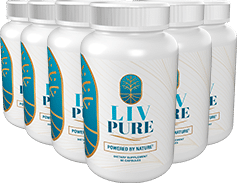
See how a real metabolism supplement compares to what's covered here.
Check the latest price on the official siteThe Role of Nutrition and Metabolism
Nutrition is the foundation of weight loss after 40. You cannot out-exercise a poor diet, but you also can't rely on supplements to fix it. Your metabolism depends on several nutrients, including protein, fiber, healthy fats, and certain vitamins and minerals.
Protein is critical. It helps preserve lean muscle mass, increases satiety, and has a higher thermic effect (you burn more calories digesting it). Aim for about 25-30 grams of protein per meal, including sources like lean meats, poultry, fish, eggs, legumes, and quality protein powders.
Fiber is another ally. It slows digestion, stabilizes blood sugar, and promotes fullness. Women over 40 need about 25 grams of fiber daily, which you can get from vegetables, fruits, whole grains, and legumes.
Healthy fats, such as those from avocados, nuts, and olive oil, support hormone production and brain health.
Blood Sugar and Insulin
Hormonal shifts can make you more insulin resistant. When your cells don't respond to insulin well, your body produces more insulin, which can promote fat storage, especially around the belly. To combat this, keep your meals balanced, avoid refined sugars and excessive processed carbohydrates, and pair carbs with protein or fat to blunt blood sugar spikes.
Timing also matters. Some women find that eating a larger breakfast and a smaller dinner works well for their metabolic health. Others do fine with three square meals plus snacks. Listen to your hunger cues.
Supplements like Ikaria Lean Belly Juice or Liv Pure may support metabolism, but they should be used alongside a nutrient-dense diet. For instance, ingredients like EGCG from green tea (found in both formulas) have been studied for their potential to slightly increase calorie expenditure. But the effect is marginal—about 100-200 calories per day at most.
Ultimately, a moderate calorie deficit (not starvation) and high-quality nutrition are non-negotiables. Once you have that in place, you can evaluate if a supplement fits your budget and needs.
Supplements for Weight Loss After 40: What to Look For
Weight loss supplements flood the market, each promising dramatic results. But after 40, your priority should be safety and efficacy. Look for transparency in ingredients, evidence behind compounds, and honest pricing. Also, check for third-party testing and clear label listing.
Ingredients that have some research backing include green tea extract (rich in EGCG), which may enhance fat burning, fiber supplements that aid satiety, and certain adaptogens that help manage cortisol. Ingredients like fucoxanthin (from brown seaweed) and African mango extract have been studied for metabolic support, though results can vary.
When reading labels, watch out for proprietary blends that hide exact doses. You want to know how much of each active ingredient you're getting. Also, be skeptical of supplements that promise to 'melt fat' or 'detoxify' your body in ways that sound too good to be true.
Some products, like Ikaria Lean Belly Juice and Liv Pure, have taken different approaches: one as a powdered drink, the other as capsules, each with unique ingredient profiles. We'll dive into each next so you can make an informed choice.
Ikaria Lean Belly Juice: Formula, Pros, and Cons
Ikaria Lean Belly Juice is a powdered supplement you mix with water. It's marketed as a 'Blue Tonic' due to its blueish hue when mixed. The creators claim it targets a root cause of weight gain linked to oxidative stress and inflammation. But let's focus on facts.
Its formula lists several ingredients known for their potential health properties: Fucoxanthin (from brown seaweed), Panax Ginseng, Bioperine (black pepper extract for absorption), Resveratrol, EGCG (from green tea), Dandelion root, Citrus Pectin, Milk Thistle, Beet Root, Hibiscus, Strawberry Extract, Acai Extract, African Mango Extract, Black Currant Extract, and Blueberry Powder.
How it works: It likely targets fat burning, antioxidant status, and blood sugar regulation. Fucoxanthin has shown promise in animal and small human studies for increasing resting energy expenditure. EGCG is well-researched for its thermogenic effect. African mango may help modulate lipid metabolism. These effects are modest, and no single ingredient is a magic bullet.
Pros: (list will also appear later in a dedicated section) It contains a broad range of antioxidants that may support overall health. As a powder, it might be easier for some women to take with their morning routine. The 180-day guarantee is generous, showing confidence in the product.
Cons: It’s expensive (especially per month), and you must remember to prepare a drink daily. Some ingredients like citrus pectin could cause side effects like bloating if sensitive. Also, it contains no artificial stimulants, but if you're sensitive to ginger or ginseng, you might need to watch your blood pressure.
If you're interested in trying it, always purchase from the official website to avoid fakes. The company does not authorize sales on Amazon or Walmart, and there are reports of unauthorized sellers offering counterfeit versions.
Curious how this applies to a real metabolism supplement?
Check the latest price on the official siteLiv Pure: Formula, Pros, and Cons
Liv Pure is another supplement designed to support weight loss, focusing on liver health. It's presented in capsule form, which may be more convenient for some women and comes with two proprietary complexes.
Its 'Liver Purification Complex' includes Silymarin (from milk thistle), Betaine, Berberine, Molybdenum, and Glutathione—ingredients that support detoxification pathways and liver function. The 'Liver Fat-Burning Complex' includes Resveratrol, Genistein, Chlorogenic Acid, Choline, and Camellia Sinensis (green tea extract).
How it works: A healthy liver is vital for metabolism. Berberine has been shown to improve insulin sensitivity and blood sugar regulation. Silymarin also supports liver health. Chlorogenic acid from green coffee may have a mild effect on carbohydrate absorption. Genistein is a soy isoflavone that might influence fat metabolism.
Pros: The capsulated format may be easier for travel or morning routines. It contains clinically studied ingredients like berberine, which have a clearer link to metabolic improvements. The manufacturer offers a 60-day money-back guarantee, though the policy is less generous than Ikaria's.
Cons: The doses of individual ingredients are not disclosed (they are behind proprietary blends), making it hard to know if you're getting an effective amount. It's also pricey. And while it doesn't list caffeine, green tea extract contains a moderate amount of caffeine, which can disrupt sleep if taken too close to bedtime.
Like Ikaria, it's sold exclusively via its official website for the authentic product.
Comparing Ikaria and Liv Pure
Both Ikaria Lean Belly Juice and Liv Pure are marketed for weight loss, but they take different approaches. Ikaria focuses on general metabolic support with a broad array of antioxidants and plant extracts. Liv Pure hones in on liver health as a metabolic lever.
Similarities: Both contain green tea extract (EGCG), resveratrol, and milk thistle (silymarin). Both are manufactured in FDA-registered, GMP-certified facilities in the US. Both have positive but not officially published testimonials on their sites. Neither is sold in big-box stores or on Amazon.
Differences: Ikaria is a powder, Liv Pure is capsules. Ikaria includes fucoxanthin and African mango; Liv Pure includes berberine, choline, and betaine. Ikaria's guarantee is longer (180 days) versus Liv Pure's 60 days. Liv Pure's price per serving at 6-months is slightly lower: $234 for 180 days ($39/month) vs. $294 for 180 days ($49/month).
Potential Synergy: Some users take both—Liv Pure in the morning and Ikaria as an afternoon drink—but that’s costly and may overstimulate metabolism. No evidence suggests combining them is beneficial. Pick the one that better aligns with your primary concerns. If liver health and blood sugar are your focus, Liv Pure might be favored. If you prefer a powder with broad antioxidant support and a longer guarantee, Ikaria could suit you.
Neither is a magic pill. They might provide a small metabolic edge, but your daily habits will determine your results.
Common Myths About Weight Loss Supplements
| Myth | Fact |
|---|---|
| Detox teas melt away fat | Your body already has its own detox system—liver and kidneys. Tea may have mild diuretic effects, but that's water weight, not fat. |
| Fasting accelerates weight loss | Intermittent fasting works for some, but it's less effective if you overeat during eating windows. |
| Supplements like Glucomannan make you feel full | Yes, they can help, but they don't burn fat. |
Frequently Asked Questions
Here are answers to common questions about weight loss after 40 and these supplements.
What we like
- Ikaria Lean Belly Juice includes fucoxanthin and EGCG, both studied for potential metabolism support
- Liv Pure includes berberine, known to support blood sugar regulation and metabolic health
- Both products are manufactured in FDA-registered, GMP-certified facilities in the USA
- Ikaria offers a generous 180-day money-back guarantee
- Both formulas are free from harmful additives and artificial stimulants
- Official websites provide clear ingredient lists, allowing transparency
What to consider
- Ikaria Lean Belly Juice is pricey, especially for short-term use
- Liv Pure's guarantee is only 60 days and requires unopened bottles for returns
- Neither product is sold in physical stores, making returns and authentic purchases only through official websites
- Liv Pure uses proprietary blends, which hide individual ingredient doses
- Some users report mild digestive upset when first starting these supplements
Myths vs. facts
MythYou need to lose weight fast for it to stick.
FactResearch shows that slow, gradual weight loss is more likely to be maintained. Setting a goal of 1-2 pounds per week leads to long-term success.
MythAfter 40, your metabolism is doomed, and you can't lose weight.
FactYour metabolism does slow down, but you can boost it with strength training, adequate protein, and managing stress. You can absolutely lose weight at any age.
MythSupplements like Ikaria Lean Belly Juice can 'melt away' belly fat without diet changes.
FactNo supplement can target belly fat specifically. Weight loss requires a moderate calorie deficit and physical activity. Supplements might support metabolic function, but they don't have local fat-burning effects.
Ready to see current pricing and availability?
Check the latest price on the official siteFrequently asked questions
Is it safe to lose 10 pounds in one month?
Losing 10 pounds in a month is generally not recommended for most women over 40. That's about 2.5 pounds per week, which is above the safe rate of 1-2 pounds per week. It often leads to muscle loss and metabolic slowdown. Aim for 4-8 pounds per month instead.
How can I speed up my metabolism after 40?
Incorporate strength training to build muscle, eat enough protein (around 0.5-1 gram per pound), stay active throughout the day, prioritize sleep, and manage stress. These can help increase your basal metabolic rate over time.
What is the best weight loss pill for women over 40?
There is no single 'best' pill. Look for one with transparent ingredients, a clear money-back guarantee, and honest reviews. Both Ikaria Lean Belly Juice and Liv Pure are popular options, but 'best' depends on your health profile and preferences.
Does Ikaria Lean Belly Juice really work?
Ikaria Lean Belly Juice contains ingredients like fucoxanthin and Panax ginseng that have shown some promise in studies. However, 'work' depends on your diet and exercise. Many users expect more than a supplement can deliver. Realistic results are modest—around 1-2 pounds extra loss per month when combined with healthy habits.
Are there side effects of Liv Pure?
Liv Pure's ingredients are generally well-tolerated, but caffeine-sensitive individuals might experience jitters, headache, or insomnia, especially from green tea extract. Berberine can also cause digestive upset like cramps or diarrhea. Consult your doctor if you're on medication, especially for blood sugar.
Can I find Ikaria Lean Belly Juice at Walmart or Amazon?
Known authorized sales are only on the official website. Some third-party listings on Walmart or Amazon may offer counterfeit products. To get the authentic product and benefit from the guarantee, purchase through the official website.
Realistic weight loss after 40 is a blend of patience, strategy, and consistency. You can expect to lose about 4-8 pounds per month, and that's a victory. While supplements like Ikaria Lean Belly Juice and Liv Pure can offer extra support, they are not shortcuts. Your daily choices—nutritious meals, strength training, sleep, and stress management—are the true drivers.
Before you invest in any product, also consider your specific needs. If liver health and blood sugar are your priority, Liv Pure might be a good fit. If you prefer a powder with a longer guarantee, Ikaria could be more appealing. Whichever you choose, buy from the official site and use the guarantee wisely. Now, take the first step: set your goal, design your strategy, and start moving.